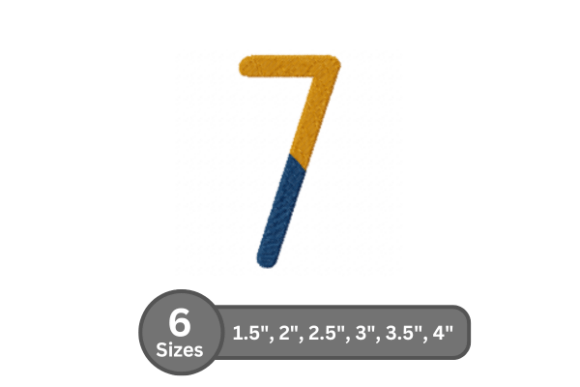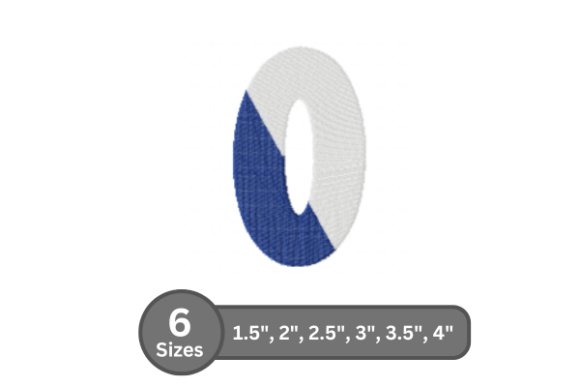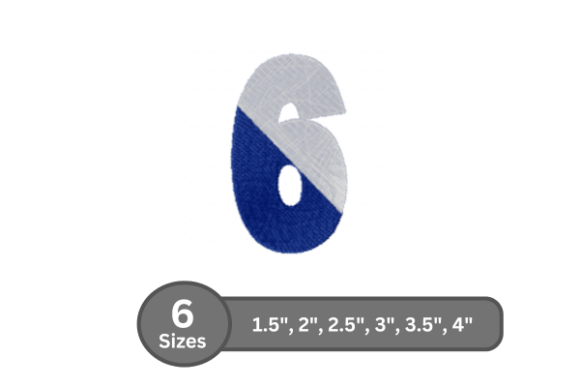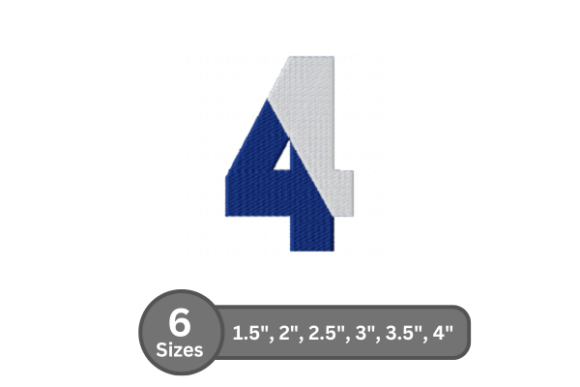
Twin Fill Number -5: A Stylish Monogram for Craft Fair Standouts
First Impressions: Modern, Bold, and Versatile
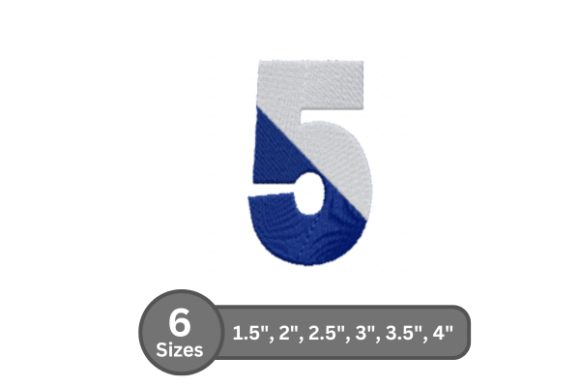
As I unzipped the folder containing the Twin Fill Number -5 embroidery file, my first thought was, “This has craft fair written all over it.” The design’s stitched font has a clean, modern edge with just enough flair to feel decorative without veering into overly busy territory. It reads as bold and confident, yet remains elegant enough to work across a variety of handmade product types—from tote bags to embroidered patches.
How Twin Fill Number -5 Performs Across Popular Craft Fair Items
For craft fair sellers and Etsy entrepreneurs, versatility is key. Here’s how this design holds up across common product categories:
- Tote Bag Design: At medium to large size, this number becomes a focal point. Paired with a simple cotton tote, it adds instant personality and makes for a perfect gift-ready item.
- Apron Embroidery: Especially on kids’ aprons or boutique-style chef wear, this design adds a touch of customization that buyers love. It’s simple enough to stand out without overshadowing the garment.
- Tea Towel Embodiment: Works beautifully as a single-digit accent—think house numbers on kitchen linens for a farmhouse or modern rustic look.
- Embroidered Patch: When stitched onto a patch with a clean border, Twin Fill Number -5 becomes a reusable design asset. Perfect for seasonal markets or personalized gifts.
- Caps and Curved Surfaces: This design may need a test run here. The twin fill style could lose clarity on curved embroidery hoops, especially if the fabric is thick or textured.
Practical Production Insights for Batch Embroidery
One of the biggest advantages of Twin Fill Number -5 is its clarity. Even at a glance, the number is instantly recognizable—ideal for quick customization at a craft fair booth. It works well as both a small accent (like on a keychain or patch) or as a large monogram (such as on a pillow cover or tote).
Photographically, this design photographs beautifully. The twin fill stitching creates visual depth without being overly complex, which means it looks sharp in product photos—great for Etsy listings or printable mockups.
Batch production is definitely feasible, especially if you're using consistent fabric types and colors. However, keep in mind that stitch density may vary depending on the file size, so always test on scrap fabric first.
Design Considerations and Where to Use Caution
While the design is generally well-constructed, there are a few points to watch for:
- Dense Stitch Areas: If the file includes heavy fill patterns, be cautious with thick or textured fabrics. They can distort the design or cause thread bunching.
- Dark Fabric Contrast: This design likely benefits from high thread contrast. If using on black or navy, test with light thread colors to ensure visibility.
- Small Sizes: At tiny dimensions, the twin fill lines may blend together. Always verify legibility at your intended size before mass production.
- Curved Cap Embroidery: As mentioned, caps can be tricky. Make sure the hoop fits securely and that the design doesn’t stretch or skew on the curve.
How Twin Fill Number -5 Boosts Your Craft Fair Appeal
At a busy craft market, you need designs that grab attention in seconds. Twin Fill Number -5 delivers that punch. Whether you’re displaying embroidered pouches or a set of personalized tea towels, this number adds a sense of premium quality and modern craftsmanship.
It also supports brand consistency. If you're selling monogrammed items or custom-numbered gifts, using the same font across products creates a cohesive look that builds trust with buyers.
Smart Embroidery Designer Notes for Best Results
Here are the top production tips I’d give any small shop owner or digital embroidery seller:
- Test on Scrap Fabric: Always stitch a sample before committing to your final product.
- Check Thread Contrast: Especially on dark or patterned fabrics, ensure the design stands out clearly.
- Review Spacing: Confirm that the twin lines are spaced for optimal visibility and not bleeding into each other.
- Confirm Hoop Size: Match the design to your hoop to avoid distortion or trimming issues.
- Inspect Stitch Density: Too tight can pucker; too loose can look sparse. Find the balance for your fabric type.
- Use the Right Stabilizer: Lightweight fabrics need more support. Don’t skip this step—it can save you hours of rework.
- Create a Real Mockup: A printed mockup helps, but nothing beats seeing the design stitched out on actual fabric.
- Compare Fabric Colors: Try the same design on light, medium, and dark tones to see where it shines.
- Confirm Commercial Licensing: Before selling any finished product, ensure the design file allows for commercial use.
Final Thoughts: A Solid Choice for Craft Fair Sellers
In the world of machine embroidery design, Twin Fill Number -5 strikes a great balance between style and practicality. It’s not just a number—it’s a design asset that can elevate your tote bags, patches, kitchen linens, and more. Whether you’re creating for Etsy, a boutique, or your weekend craft fair booth, this design deserves a spot in your embroidery file collection.
Just remember: always test, always sample, and always match the design to your product and fabric. Do that, and you’ll be stitching your way to success with Twin Fill Number -5 in no time.